
Toilet Flappers
The toilet flapper is a crucial component of the toilet flushing system. It controls the flow of water from the tank into the bowl, ensuring that the toilet flushes effectively and efficiently. Over time, flappers can wear out, leading to problems such as running toilets, weak flushes, or leaks. Fortunately, replacing a faulty flapper is a simple and affordable repair that can help restore your toilet’s performance and conserve water.



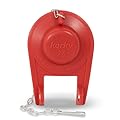
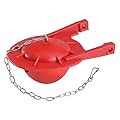
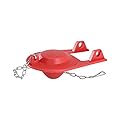
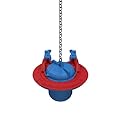


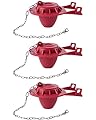
What is a Toilet Flapper?
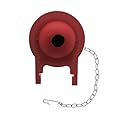
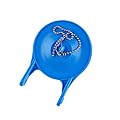
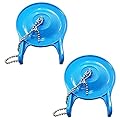
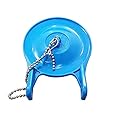
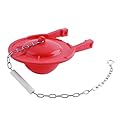
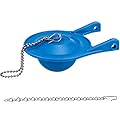
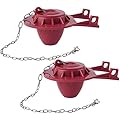
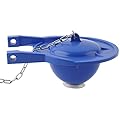
A toilet flapper is a rubber or plastic valve that sits at the bottom of your toilet’s tank. It covers the opening at the base of the tank, which connects to the toilet bowl, and controls the release of water during a flush. When you push the flush handle or button, it lifts the flapper, allowing water to flow from the tank into the bowl. This creates the flushing action, which clears waste from the toilet.
Once the flush is complete, the flapper falls back into place, sealing the opening and allowing the tank to refill. Without the flapper working properly, the toilet cannot perform its flushing function effectively, and the system may begin to leak water or waste excessive amounts of water.
The Role of a Toilet Flapper in the Flushing Mechanism
The toilet flapper is a critical part of the toilet’s flushing mechanism. It works in conjunction with other components such as the flush valve, overflow tube, and fill valve. Here’s a breakdown of how the flapper fits into the overall flush cycle:
-
The Flush Trigger: When you pull the flush lever or push the flush button, a chain or rod attached to the flush handle lifts the flapper. This action opens the flush valve, allowing water from the tank to flow into the toilet bowl.
-
Water Release: As water rushes from the tank into the bowl, it creates a powerful flushing action that removes waste from the toilet. The water pressure pushes the waste down through the trap and into the drainpipe.
-
The Seal: Once the flush cycle is complete, the flapper falls back into place, creating a seal over the flush valve opening. This stops the water flow and allows the tank to refill. The refilling is regulated by the fill valve.
-
Water Conservation: The flapper helps control how much water is released from the tank. A properly functioning flapper ensures that just the right amount of water is used for each flush, avoiding excessive water consumption.
Signs of a Faulty Toilet Flapper
Like any component in a toilet, the flapper can wear out over time. If you’re experiencing issues with your toilet, such as frequent running water, weak flushes, or high water bills, your toilet flapper may be the culprit. Here are some common signs of a faulty toilet flapper:
1. Running Toilet
A running toilet is one of the most common signs that your flapper is not sealing properly. If the flapper doesn’t fall back into place after a flush, water will continue to leak from the tank into the bowl, causing the toilet to run constantly. This not only wastes water but also leads to higher water bills.
2. Weak Flushes
If your toilet is flushing weakly or incompletely, it could be due to the flapper not fully opening during the flush. If the flapper is too stiff, corroded, or worn, it might not allow enough water to flow into the bowl, resulting in a weak flush.
3. Water Leaks
Water leaking from the base of the toilet or around the flapper can indicate that the flapper is damaged, worn, or misaligned. This issue can lead to constant water wastage and may also cause your toilet to not flush correctly.
4. Phantom Flushing
Phantom flushing occurs when the toilet seems to flush on its own without any action from the user. This is usually caused by a leaky flapper that is allowing water to escape from the tank into the bowl, triggering the fill valve to refill the tank automatically.
Why Toilet Flappers Fail
Toilet flappers are designed to last for several years, but they are subject to wear and tear. Several factors can contribute to the failure of a toilet flapper:
1. Aging and Wear
Over time, the flapper’s rubber or plastic material can degrade due to continuous exposure to water and chemicals, such as chlorine. As the flapper ages, it may become stiff, brittle, or warped, preventing it from sealing properly.
2. Hard Water and Mineral Buildup
Hard water contains minerals like calcium and magnesium, which can accumulate inside the tank over time. This buildup can affect the flapper, making it harder for it to close properly. Mineral deposits can also cause the flapper to deteriorate more quickly.
3. Corrosion
Flappers made of metal components can suffer from corrosion due to exposure to water and air. Corrosion can weaken the flapper and cause it to malfunction.
4. Improper Installation
Sometimes, the flapper may be installed incorrectly, leading to improper sealing or alignment issues. A poorly installed flapper may not function as intended, resulting in leaks or weak flushes.
5. Chemical Cleaners
Some toilet bowl cleaners, especially those containing bleach or other harsh chemicals, can damage rubber flappers. These chemicals can cause the rubber to crack, leading to leaks and reduced efficiency.
How to Replace a Toilet Flapper
Replacing a faulty flapper is a simple and cost-effective DIY repair that most homeowners can handle. Here’s a step-by-step guide to help you replace your toilet flapper:
Tools Needed:
- Replacement toilet flapper
- Adjustable wrench (optional)
- Bucket or towel (for catching any residual water)
- Gloves (optional)
Step 1: Turn Off the Water Supply
Before you begin, locate the water supply valve behind the toilet and turn it off. This will stop the flow of water to the tank.
Step 2: Drain the Toilet Tank
Flush the toilet to drain as much water as possible from the tank. Use a towel or sponge to soak up any remaining water.
Step 3: Remove the Old Flapper
Locate the flapper inside the toilet tank. The flapper is typically connected to the flush valve with a chain or a rod. Remove the chain from the flush lever and detach the flapper from the flush valve. You may need to unclip it from the overflow tube, depending on the model of your toilet.
Step 4: Install the New Flapper
Take your new flapper and attach it to the flush valve in the same way as the old one. Ensure that it is properly aligned with the flush valve opening. Reattach the chain or rod to the flush lever, making sure there is enough slack for the flapper to lift fully when the flush handle is pressed.
Step 5: Adjust the Chain
The chain that connects the flapper to the flush lever should have a small amount of slack. If it is too tight, the flapper may not fall back into place properly. If it is too loose, the flapper may not open fully during a flush. Adjust the chain so that it has just enough slack for the flapper to function properly.
Step 6: Turn the Water Supply Back On
Once the new flapper is installed, turn the water supply valve back on and let the tank refill. Check for leaks and test the toilet by flushing it a few times.
Step 7: Test the Flush
Flush the toilet to ensure that the new flapper is functioning correctly. The toilet should flush completely, and the flapper should create a tight seal after the flush, preventing water from running continuously.
Choosing the Right Toilet Flapper
Choosing the right toilet flapper is essential for ensuring that your toilet functions properly and efficiently. When selecting a replacement flapper, there are a few key factors to consider:
1. Flapper Size and Style
Toilet flappers come in different sizes and styles, depending on the type of toilet and flush valve you have. Most toilets use a standard 2-inch or 3-inch flapper, but it’s important to check the size of your current flapper or the manufacturer’s specifications. Some modern toilets also use different styles of flappers, such as those with adjustable float arms or dual-flush mechanisms.
2. Material
Toilet flappers are typically made from rubber or plastic. Rubber flappers are more common and tend to be more flexible, providing a better seal. Plastic flappers, on the other hand, are more durable and resistant to wear but may not provide as tight a seal as rubber ones. Consider the material based on your toilet’s needs and the level of durability required.
3. Water Conservation Features
Many modern toilet flappers are designed with water conservation in mind. Dual-flush flappers allow users to choose between a full flush or a partial flush, helping to save water. Look for a flapper that is designed to optimize water usage and reduce waste.
4. Brand Compatibility
Ensure that the replacement flapper is compatible with your toilet brand. Some toilet manufacturers create proprietary flush valve designs, so you may need a specific type of flapper for your model. Check the manufacturer’s guidelines or consult with a plumber if you are unsure which flapper to choose.