
Flush Valve Kits
A flush valve kit is an essential component for maintaining the efficient operation of your toilet. Whether you’re dealing with a running toilet, weak flushes, or leaks, a flush valve kit can provide all the necessary parts to restore your toilet’s performance. Replacing your flush valve may seem like a daunting task, but with the right kit and a little patience, you can easily complete the installation yourself and avoid costly plumbing bills.
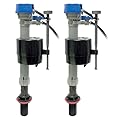
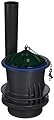


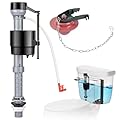
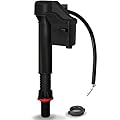


What is a Flush Valve Kit?
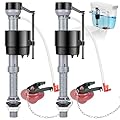
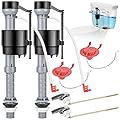
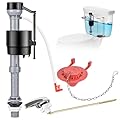
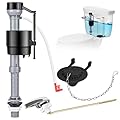
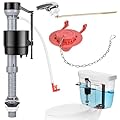
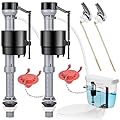
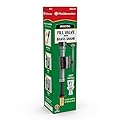
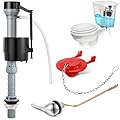
A flush valve kit is a comprehensive package designed to provide all the parts required to replace or repair the flush valve mechanism in your toilet. The flush valve itself is a vital part of the toilet’s flush system. It controls the release of water from the tank into the bowl during a flush and helps regulate water flow, ensuring that your toilet works efficiently.
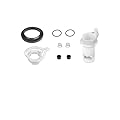
Flush valve kits typically include the following components:
- Flush Valve: The main component that controls water flow during a flush.
- Flush Valve Seal or Gasket: This ensures that the flush valve creates a watertight seal to prevent leaks.
- Flush Valve Bolts: These are used to secure the flush valve to the bottom of the tank.
- Tank-to-Bowl Gasket: A rubber gasket that seals the connection between the tank and the bowl, preventing leaks.
- Overflow Tube: This directs any excess water from the tank into the bowl to prevent overflow.
Each flush valve kit may vary slightly in the components included, depending on the manufacturer and the specific type of toilet. However, most kits aim to replace or repair all the essential parts that work together to create a functional flush valve system.
Why Do You Need a Flush Valve Kit?
There are several reasons why you may need a flush valve kit. Over time, the flush valve can wear out, crack, or fail to function properly, leading to issues with the flushing mechanism. Here are a few reasons why replacing or repairing your flush valve might be necessary:
1. Continuous Running Water
One of the most common signs that your flush valve needs attention is a running toilet. If you hear water constantly running in the tank or if the toilet refills repeatedly, the flush valve seal may be worn out. When this happens, water can leak from the tank into the bowl, causing the toilet to run continuously. A flush valve kit can help solve this issue by replacing the worn-out components.
2. Weak Flushes
Another sign that your flush valve may be malfunctioning is weak or inconsistent flushing. If the water is not flowing into the bowl properly or the toilet fails to clear waste with one flush, the flush valve might not be opening fully or sealing correctly. A flush valve kit can help restore the proper flow of water, ensuring efficient flushing.
3. Leaking Tank
If you notice water pooling around the base of the toilet or leaks in the tank, it could be a sign that the flush valve or its gasket is failing. Replacing the flush valve and seal using a kit can help prevent leaks, ensuring that the toilet remains watertight and operates efficiently.
4. Old or Outdated Parts
Over time, the parts inside your toilet can wear out due to age, mineral buildup, or the constant exposure to water. If your toilet is older and you’re experiencing frequent issues with flushing or leaks, replacing the flush valve and associated parts with a new flush valve kit can bring your toilet back to like-new condition.
5. Upgrading Your Toilet
Some homeowners may want to upgrade their toilet for improved performance or efficiency. Installing a new flush valve kit can improve the flushing power of the toilet, making it work more efficiently and reducing the risk of clogs or incomplete flushes.
Components of a Flush Valve Kit
To better understand how a flush valve kit works and what to expect when purchasing one, it’s helpful to know what components are typically included in a kit. While kits may vary, the most common components are:
1. Flush Valve
The flush valve is the primary component in any flush valve kit. It is responsible for releasing water from the tank into the toilet bowl during a flush. The valve is usually controlled by a chain or rod connected to the flush handle, which opens and closes the valve when the handle is pressed. In some modern toilets, the flush valve is also connected to a button or lever.
2. Flush Valve Seal or Gasket
The seal or gasket is a crucial component that helps create a watertight seal between the flush valve and the tank. It prevents water from leaking out of the tank into the bowl when the flush valve is closed. Over time, this seal can deteriorate due to wear and exposure to water, causing leaks. Flush valve kits typically include a replacement seal to ensure the valve functions correctly.
3. Flush Valve Bolts
The flush valve bolts are used to secure the flush valve to the bottom of the toilet tank. These bolts help keep the valve in place, ensuring that it operates properly. If these bolts become loose or corroded, they may need to be replaced. Flush valve kits often come with new bolts to ensure a secure installation.
4. Tank-to-Bowl Gasket
The tank-to-bowl gasket creates a seal between the toilet tank and the toilet bowl. This gasket prevents water from leaking between the two parts and helps keep the toilet functioning properly. If you’re replacing the flush valve, it’s a good idea to replace this gasket at the same time, especially if it is old or damaged.
5. Overflow Tube
The overflow tube helps regulate water levels in the toilet tank. If the water level gets too high, the overflow tube directs excess water into the toilet bowl to prevent overflow. Some flush valve kits include a replacement overflow tube, especially if the original one is cracked or damaged.
How to Install a Flush Valve Kit
Installing a flush valve kit is a relatively simple process that you can perform yourself if you have basic plumbing knowledge. Here is a step-by-step guide to help you through the installation process:
Tools Needed:
- Adjustable wrench
- Pliers
- Flathead screwdriver
- Towels or a sponge (for drying the tank)
- Replacement flush valve kit
Step 1: Turn Off the Water Supply
Before you begin, make sure to turn off the water supply to your toilet. The shutoff valve is typically located near the wall behind the toilet. Turn the valve clockwise to stop the flow of water.
Step 2: Drain the Tank
Flush the toilet to drain as much water as possible from the tank. Use towels or a sponge to soak up any remaining water inside the tank and bowl.
Step 3: Disconnect the Water Supply Line
Using an adjustable wrench, disconnect the water supply line from the bottom of the toilet tank. Be sure to place a towel under the connection to catch any residual water.
Step 4: Remove the Toilet Tank
To access the flush valve, you will need to remove the toilet tank. Unscrew the bolts that secure the tank to the toilet bowl using a wrench or screwdriver. Carefully lift the tank off the bowl and set it aside on a soft surface.
Step 5: Remove the Old Flush Valve
Once the tank is removed, locate the flush valve inside the tank. You will need to unscrew the bolts or nuts that secure the flush valve to the tank. Remove any old gaskets or seals, and take out the old flush valve.
Step 6: Install the New Flush Valve
Take the new flush valve from the kit and insert it into the hole at the bottom of the tank. Secure it in place with the new bolts provided in the kit. Be sure to tighten the bolts firmly, but avoid over-tightening, as this could crack the tank.
Step 7: Install the New Seal or Gasket
Place the new flush valve seal or gasket onto the flush valve. Make sure it fits snugly and creates a watertight seal.
Step 8: Reassemble the Toilet Tank
Once the flush valve is installed, place the tank back onto the toilet bowl and secure it with the tank bolts. Be sure the tank is aligned properly before tightening the bolts.
Step 9: Reconnect the Water Supply Line
Reconnect the water supply line to the tank and tighten the connection with pliers. Turn the water supply valve back on and allow the tank to refill.
Step 10: Test the Toilet
Once the tank is full, press the flush handle to test the new flush valve. Make sure the flush works properly, and check for any leaks around the flush valve or the tank-to-bowl gasket. If everything seems to be working correctly, you have successfully installed the flush valve kit!